Pathology is one of the most essential branches of medical science because it helps doctors understand the true nature of diseases. It focuses on studying the cause, development, effects, and diagnosis of illnesses. Without pathology, modern healthcare would not be able to diagnose conditions accurately or create proper treatment plans. In simple words, pathology is the scientific foundation of all medical decisions.
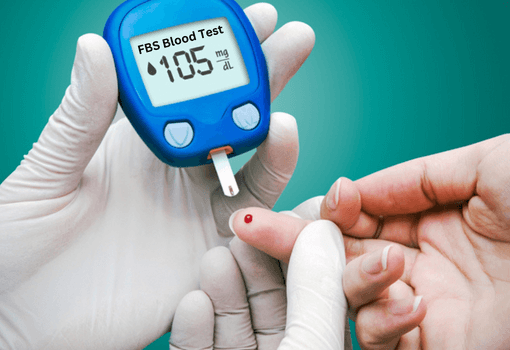
Pathology is important in medical science because it provides accurate and reliable information about what is happening inside the body. Doctors depend on pathology tests—such as blood tests, urine tests, biopsies, and imaging reports—to identify diseases early. This is especially important for conditions that do not show clear symptoms in the beginning, such as diabetes, thyroid disorders, kidney problems, and certain cancers. Early detection through pathology increases the chances of successful treatment and helps prevent complications.
Why Pathology Is Important in Medical Science?
Pathology acts as the foundation of medical decisions by providing scientific proof and accurate data that help doctors treat patients with confidence. It is important in medical science because it helps doctors diagnose diseases correctly and understand the cause, nature, and effects of illnesses. Pathology reports guide treatment plans, allowing doctors to select the right medicines, therapies, and procedures. It also plays a major role in early disease detection, which increases the chances of fast and effective recovery. Pathology helps monitor how a disease is progressing and shows whether a patient’s treatment is working or needs to be changed. It supports preventive healthcare by identifying health risks at an early stage. Pathology is essential in cancer detection, biopsy analysis, and critical life-saving decisions. It also improves patient safety by providing accurate and reliable lab results. Overall, pathology is crucial in medical science because it serves as the backbone of diagnosis, treatment, prevention, and patient care.